Creamy Tahini Hummus, Restaurant-Style
Tahini hummus is one of the most beloved Middle Eastern dips, and it crossed borders long ago to find a home in kitchens everywhere. Creamy, smooth and refreshingly zingy with lemon and garlic, it’s served with a drizzle of olive oil and a dusting of paprika. It’s perfect for breakfast, as a starter, or as a healthy little snack.
The secret to that velvety texture? Mash the chickpeas while they’re still warm and stream in a little ice water as you blend. And if you want it truly luxurious, take the time to peel the chickpeas — it makes a world of difference.
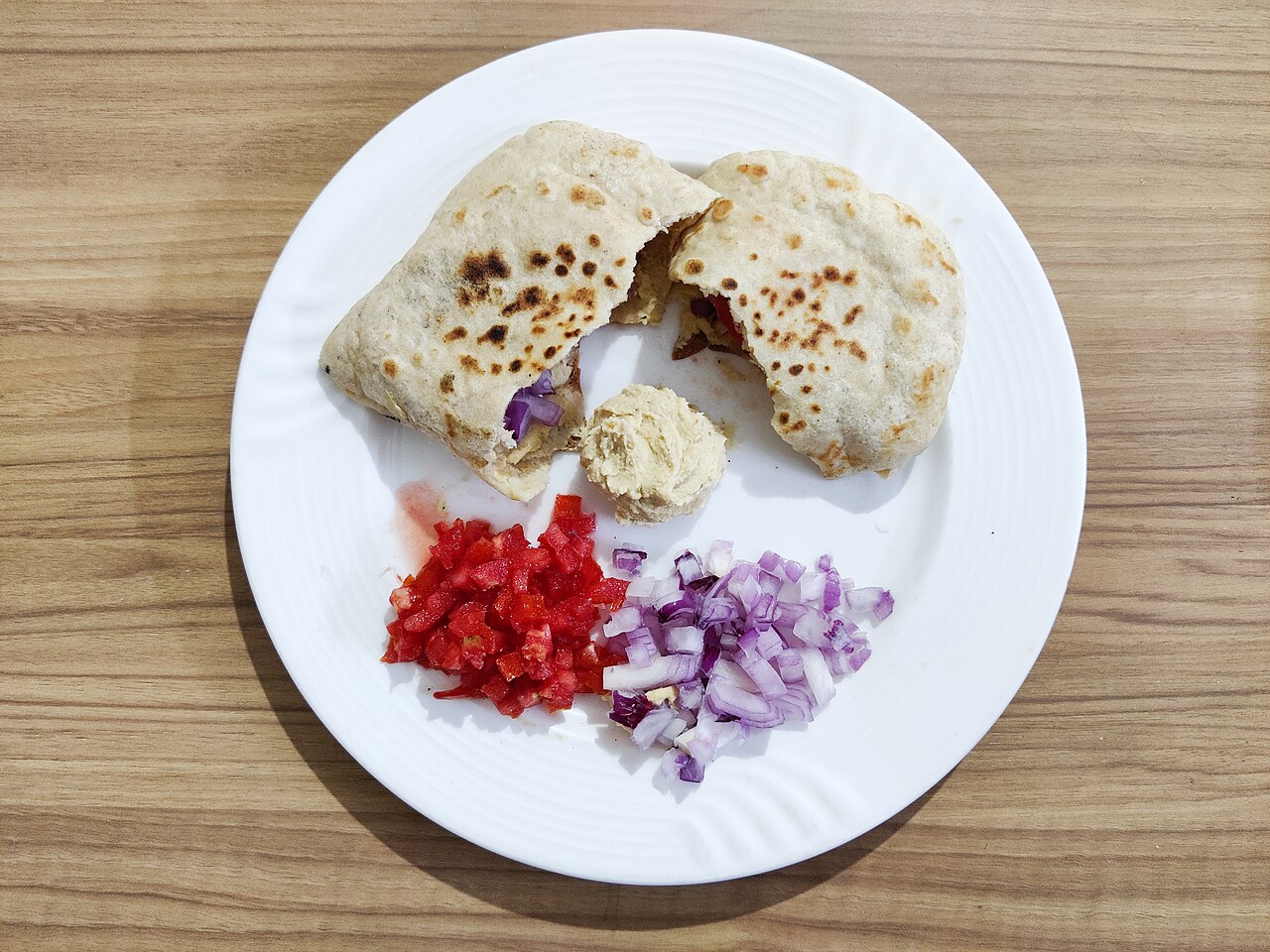
Creamy Tahini Hummus, Restaurant-Style
المقادير
Method
- Add the cooked chickpeas, tahini, lemon juice, garlic and salt to the blender.
- Blend until the mixture starts to come together.
- Gradually stream in the ice water while blending, until you reach a smooth, creamy consistency.
- Taste and adjust the salt and lemon.
- Spoon the hummus onto a plate and spread it into swirls using the back of the spoon.
- Garnish with a drizzle of olive oil, a sprinkle of paprika and a few whole chickpeas, then serve with bread.
ملاحظات
Peeling the chickpeas makes it incredibly smooth, if you're after perfection.
Adjust the lemon and garlic to suit your taste.
Secrets to restaurant-style hummus
What sets an ordinary hummus apart from a restaurant one comes down to the tahini first, even before the chickpeas. I whip the tahini with the lemon juice on their own until they turn pale and thick, and only then do I add the chickpeas. The warmer they are, the finer they break down, so I never let them cool. Ice water is the real trick: a spoonful at a time, watching the texture, because it is what loosens the mixture and makes it smooth and glossy instead of dense. Salt and lemon I adjust at the very end, after tasting, since the cold dulls the sharpness of the acidity a little.
Variations and substitutions
The basic recipe takes well to small changes without losing its character. When I want a deeper flavour, I roast a whole head of garlic in the oven and mash it into the blend: the bite of raw garlic disappears and only its warmth stays. Sometimes I add a spoon of ground cumin or a pinch of chilli for a more pronounced Eastern note. Anyone after colour can fold in a couple of spoons of cooked beetroot, turning the hummus pink. And if tahini runs out, a pale sesame paste or even a little almond butter does the job, just adjust the lemon since each one carries its own bitterness.
How to serve it and with what
I like to spread the hummus across the plate with the back of a spoon, swirling it into a hollow, then fill that centre with good olive oil, paprika and a few whole chickpeas. At breakfast it goes with warm bread, olives and a boiled egg; for drinks, I serve it with cucumber and carrot sticks for dipping. It also stands in beautifully for mayonnaise in a sandwich, or makes a bed under grilled chicken. A little chopped parsley and some toasted pine nuts lift it from a simple starter to a dish people gather around.
Storing and making it ahead
Hummus is one of those dishes that rewards being made ahead; the flavours actually settle after a few hours in the fridge. I keep it in an airtight container with a drizzle of olive oil on top, which stops it from forming a skin, and it holds for about three days. The texture firms up as it chills, so I take it out a quarter of an hour before serving and loosen it with a spoonful of warm water to bring back its creaminess. For a bigger batch, it freezes well for about a month in a small tub; thaw it overnight in the fridge, then whip it again.
Frequently asked questions
How do I get really smooth hummus?
Cook the chickpeas well, mash them while warm, stream in ice water, and peel the chickpeas if you want it perfectly smooth.
What can I use instead of tahini?
You can cut back on it or swap it for smooth peanut butter, though the flavour will change a little.
How long does hummus keep in the fridge?
About three days in a covered container, with a drizzle of olive oil over the top.
Why did my hummus turn out bitter?
Usually because of old tahini whose oil has gone rancid, or too much raw garlic. Use fresh tahini and add a touch of honey or a little more lemon to balance the bitterness.
Can I make hummus without an electric blender?
Yes, but mash the chickpeas while warm with a potato masher, then beat in the tahini by hand. The texture won't be as fine, so it's best to peel the chickpeas first.
Should I use the chickpea cooking water instead of ice water?
The cooking liquid (aquafaba) gives a creamy, rich texture, but it's warm and won't lighten the colour the way ice water does. You can combine the two: cooking liquid for richness, an ice cube for a paler colour.
Photo: Wikimedia Commons — CC BY-SA