Crispy Moroccan Sfenj: A Foolproof Recipe
The authentic recipe for Moroccan sfenj, fried doughnuts that are soft on the inside and crisp on the outside, a traditional breakfast to enjoy with tea.
The sweet corner of the Moroccan home: treats we bake for Ramadan, for weddings, or simply to serve with a glass of mint tea. Here you’ll find chebakia coated in honey and sesame, gazelle horns filled with almond paste and orange blossom, almond briouats, along with other sweets like ghriba and homemade cake. We explain how to knead a soft dough that’s easy to shape, how to fry without soaking up oil, and how to set the honey so it coats rather than clumps. Precise measurements and clearly described gestures, because pastry asks for a little patience and a steady hand. Whether you’re new to baking or used to it, your pieces will come out even and fragrant with honey and orange blossom, worthy of any guest’s tray.
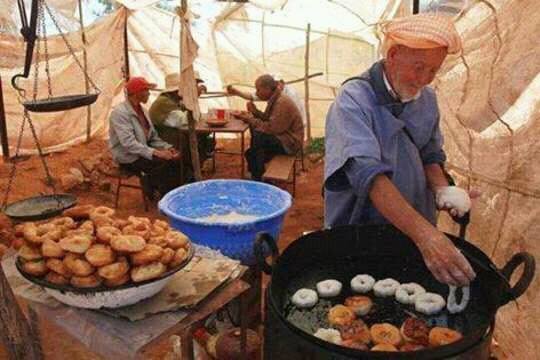
The authentic recipe for Moroccan sfenj, fried doughnuts that are soft on the inside and crisp on the outside, a traditional breakfast to enjoy with tea.
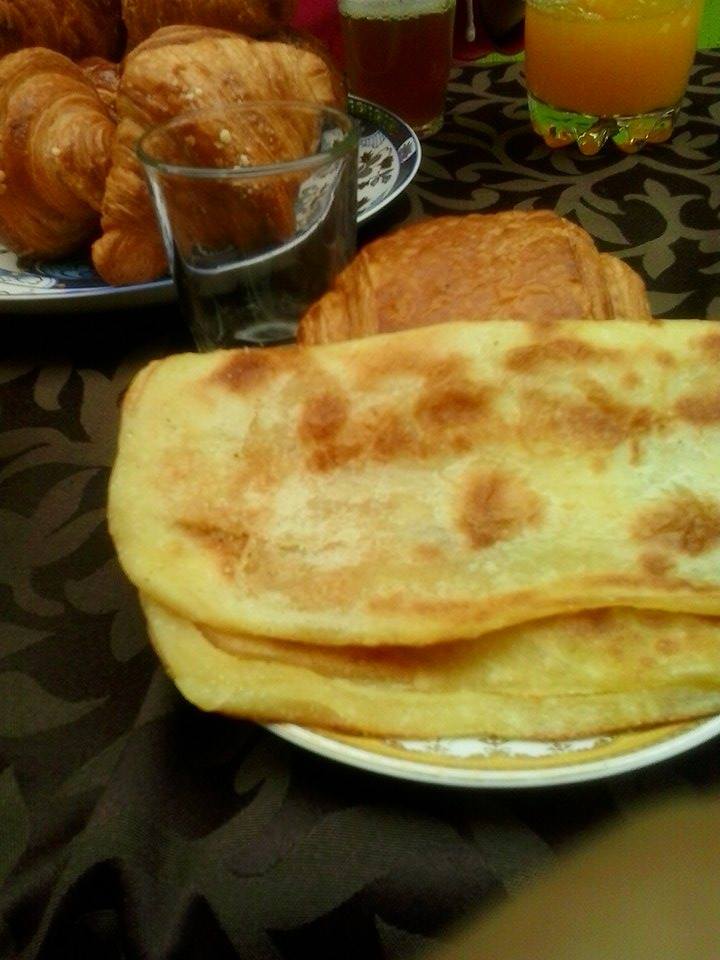
How to make flaky Moroccan msemen with semolina and flour: soft on the inside, crisp on the outside, served with honey or cheese.
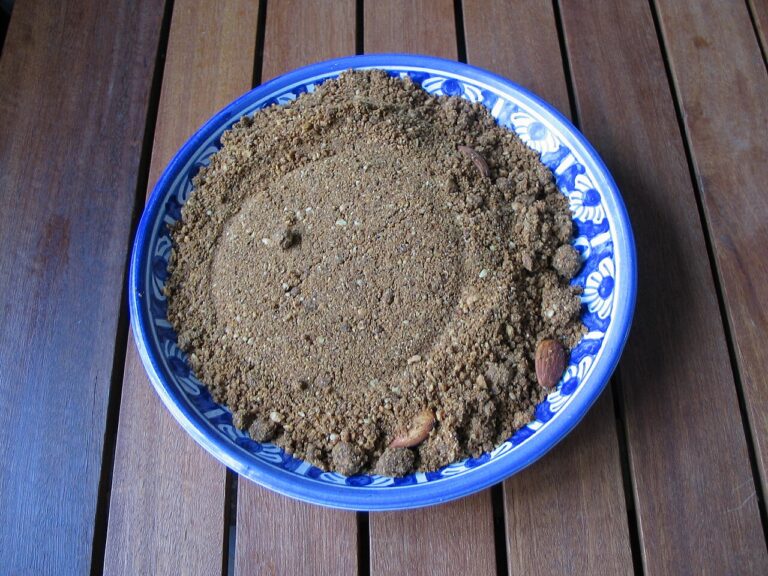
How to make Moroccan sellou (sfouf) with toasted flour, almonds, sesame and honey — the rich, nourishing sweet of Ramadan.
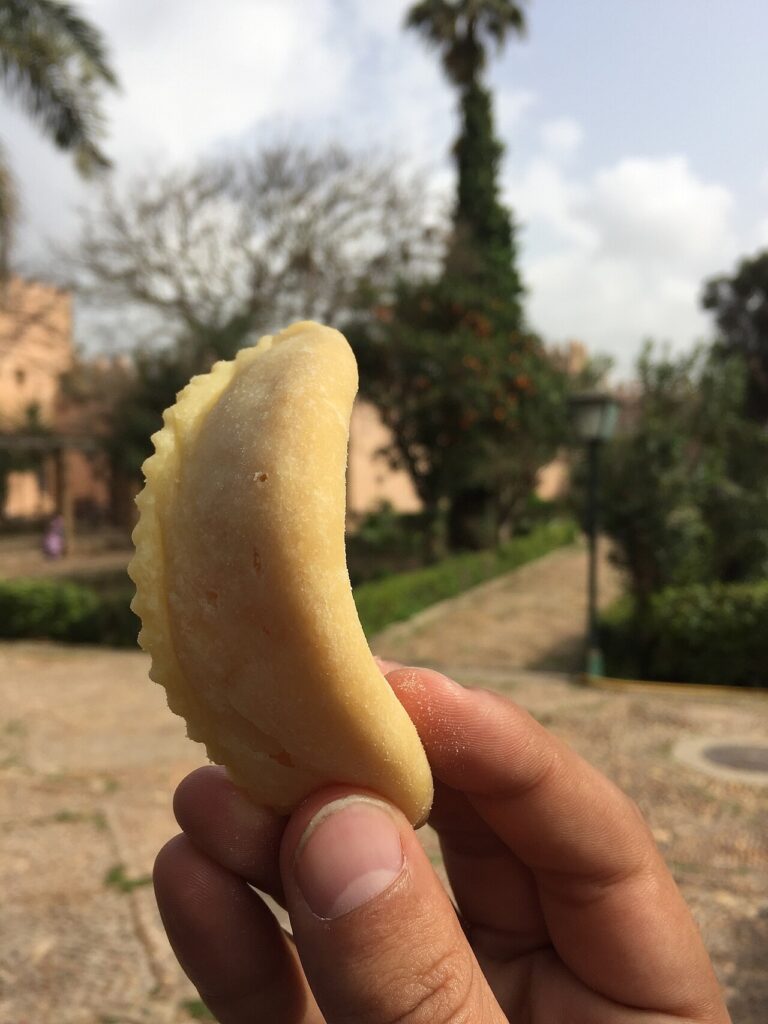
How to make Moroccan gazelle horns with a wafer-thin pastry and an almond filling scented with orange blossom water, the crescent-shaped pastry of weddings.
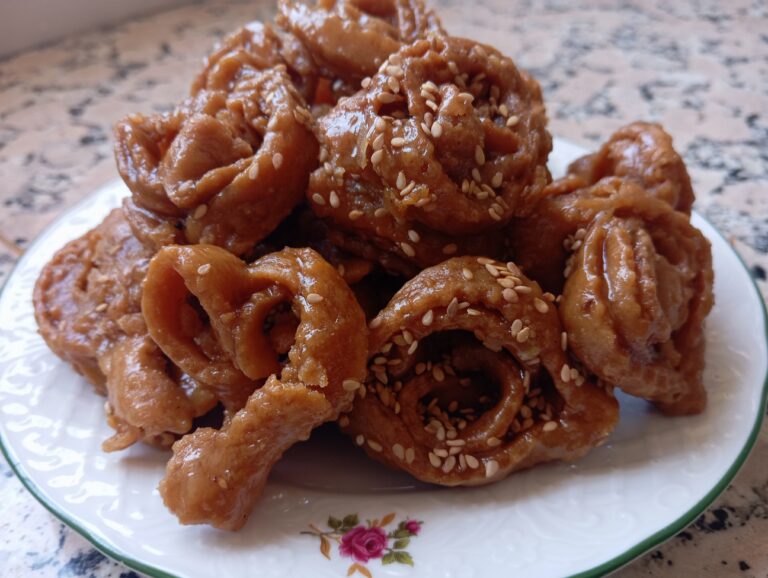
How to make crisp Moroccan chebakia with honey and sesame, the most iconic Ramadan sweet, including shaping into roses, frying and dipping in honey.
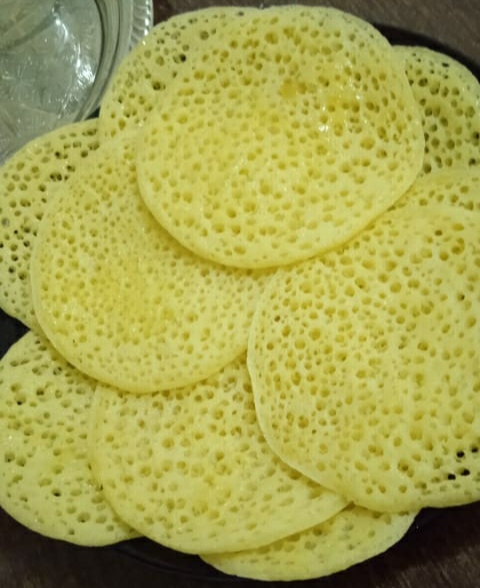
How to make Moroccan baghrir (the thousand-hole pancakes) with fine semolina: soft and spongy, served with honey and butter.
Moroccan and international recipes, with simple ingredients and clear steps. Every day, authentic dishes and irresistible sweets.
f Follow us on Facebook