Authentic Moroccan Harira, Simple and Foolproof
For Moroccans, harira is far more than just a soup. It’s the first thing on the table when the fast breaks during Ramadan, and its aroma alone is enough to make you feel like Morocco is just one spoonful away. Every household has its own touch: some load it up with meat, others keep it to the legumes, and many finish it with a squeeze of lemon.
The recipe below is the foundation most families start from. Take your time cooking the tomatoes down properly, since that’s where all the flavor lives, and let the harira simmer gently so everything melds together and the texture turns silky.
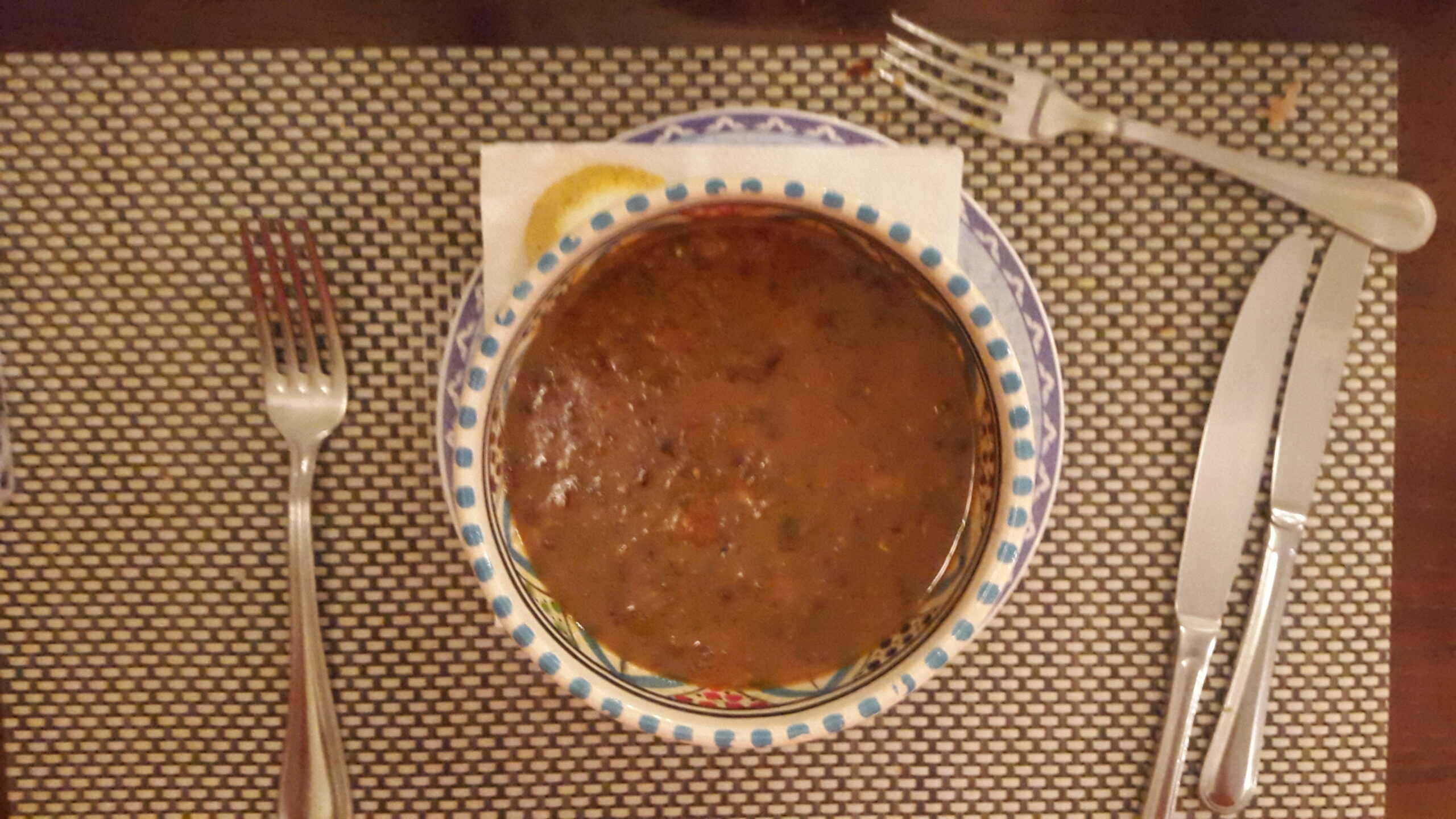
Authentic Moroccan Harira, Simple and Foolproof
المقادير
Method
- In a pot, brown the meat with the onion, oil and spices (turmeric, ginger, pepper, cinnamon) for a few minutes.
- Add the grated tomatoes, cilantro, parsley and celery, and let them cook until the tomatoes break down and lose their acidity.
- Add the lentils, drained chickpeas, tomato paste and a generous amount of hot water, then cover the pot.
- Let the harira simmer over medium heat for about 45 minutes, until the meat and legumes are tender.
- Add the vermicelli and cook for 5 minutes, then pour in the tedwira (the dissolved flour) gradually, stirring constantly until the soup thickens.
- Let it simmer gently for another ten minutes while stirring, then adjust the salt. Serve hot with dates and chebakia.
ملاحظات
For deeper flavor, let the tomatoes cook down slowly over low heat for longer before adding the water.
Harira keeps well in the fridge and is even better the next day; add a splash of water when reheating.
The secret to a great harira
The first secret lies in how patiently you handle the tomatoes. Cook them down with the onion and spices over low heat until their sharpness mellows and the colour deepens to a dark red, before you add any water; that single step is what separates an ordinary harira from one with real depth of flavour. The second secret is the tedwira: pour it in slowly, stirring constantly in the same direction so the flour doesn’t clump, then let the soup boil for at least ten minutes so the raw flour taste cooks out and the texture turns silky and glossy. And be generous with the fresh coriander and celery, because they are the soul of this soup and the aroma that fills the whole house.
Variations and substitutions
You can make a fully vegetarian harira by leaving out the meat and doubling the lentils and chickpeas, which gives you a hearty, filling bowl that’s perfect for suhoor. If you prefer a lighter body, swap part of the tedwira for a handful of rice or a little extra vermicelli. Some families in Fès stir in a spoonful of smen at the end for a richer flavour, while cooks in the north like it lighter and tangier, with more tomato and a squeeze of lemon. And if you haven’t soaked chickpeas overnight, use a can of cooked ones and add them only in the final quarter hour so they hold their shape.
What to serve with harira
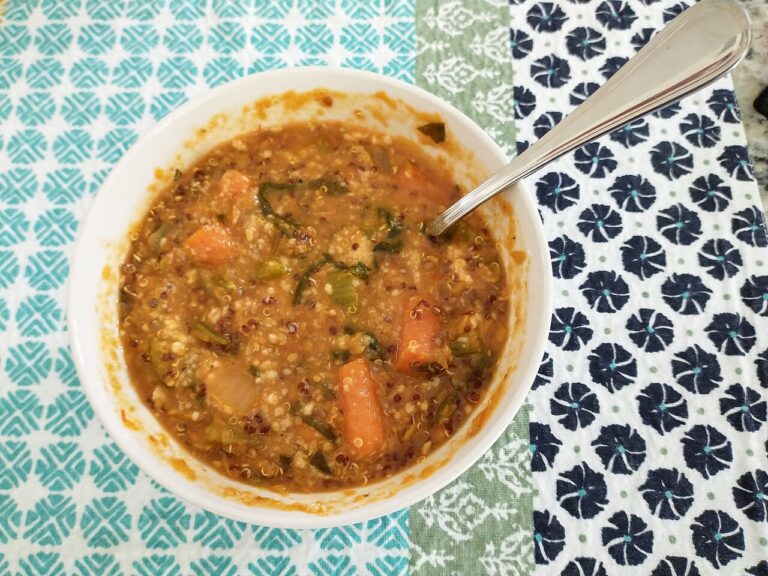
Harira is served piping hot in a bowl, alongside dates and chebakia as tradition dictates at the iftar table during Ramadan, with hard-boiled eggs and a piece of bread or a Moroccan pastry. Outside Ramadan it stands on its own as a warm, light supper, with a wedge of lemon to squeeze over the top for anyone who loves that tangy note. A pinch of cumin and black pepper scattered on just before serving adds one last irresistible touch of fragrance.
Storing and reheating harira
Harira actually improves the next day, once its flavours have had time to settle into one another, so you can make it ahead with complete confidence. Keep it in an airtight container in the fridge for up to three days. When you reheat it you’ll find it has thickened, so stir in a little hot water until it returns to its original consistency. Harira freezes well for up to a full month, but it’s best to freeze it before adding the vermicelli so the strands don’t break apart when you reheat it.
Frequently asked questions
Can harira be made without meat?
Yes, swap the meat for more legumes and you'll get a delicious vegetarian harira, especially good for suhoor.
What's the difference between tedwira and plain flour?
Tedwira is flour dissolved in water that's sometimes left to ferment slightly; both thicken the harira, but the fresh version is easier and quicker.
What is harira served with?
Traditionally with dates, chebakia and hard-boiled eggs, especially at the iftar table during Ramadan.
Why did my tedwira turn lumpy?
Usually because the flour was added all at once or without enough stirring. Dissolve the flour thoroughly in cold water until it's a smooth liquid, then pour it gradually into the boiling harira while stirring constantly.
How long does harira keep in the fridge?
Up to three days in an airtight container. Add hot water when reheating, since it thickens once it cools.
Can harira be cooked in a pressure cooker?
Yes: after browning the meat and tomatoes, add the legumes and water and cook under pressure for about 20 minutes. Then open the cooker and add the vermicelli and tedwira over normal heat until the consistency is just right.
Photo: Wikimedia Commons — CC BY-SA