Restaurant-Style Lasagna with Bolognese and Béchamel
Lasagna is one of Italy’s most beloved baked dishes and the perfect choice when you’re hosting, since it can be assembled ahead and popped in the oven when you need it. Alternating layers of meat sauce, béchamel and cheese melt together in the oven to create a rich, satisfying dish that pleases everyone.
The secret to great lasagna is a slow-simmered bolognese, a smooth lump-free béchamel, and neat layering with plenty of sauce so the pasta never dries out.
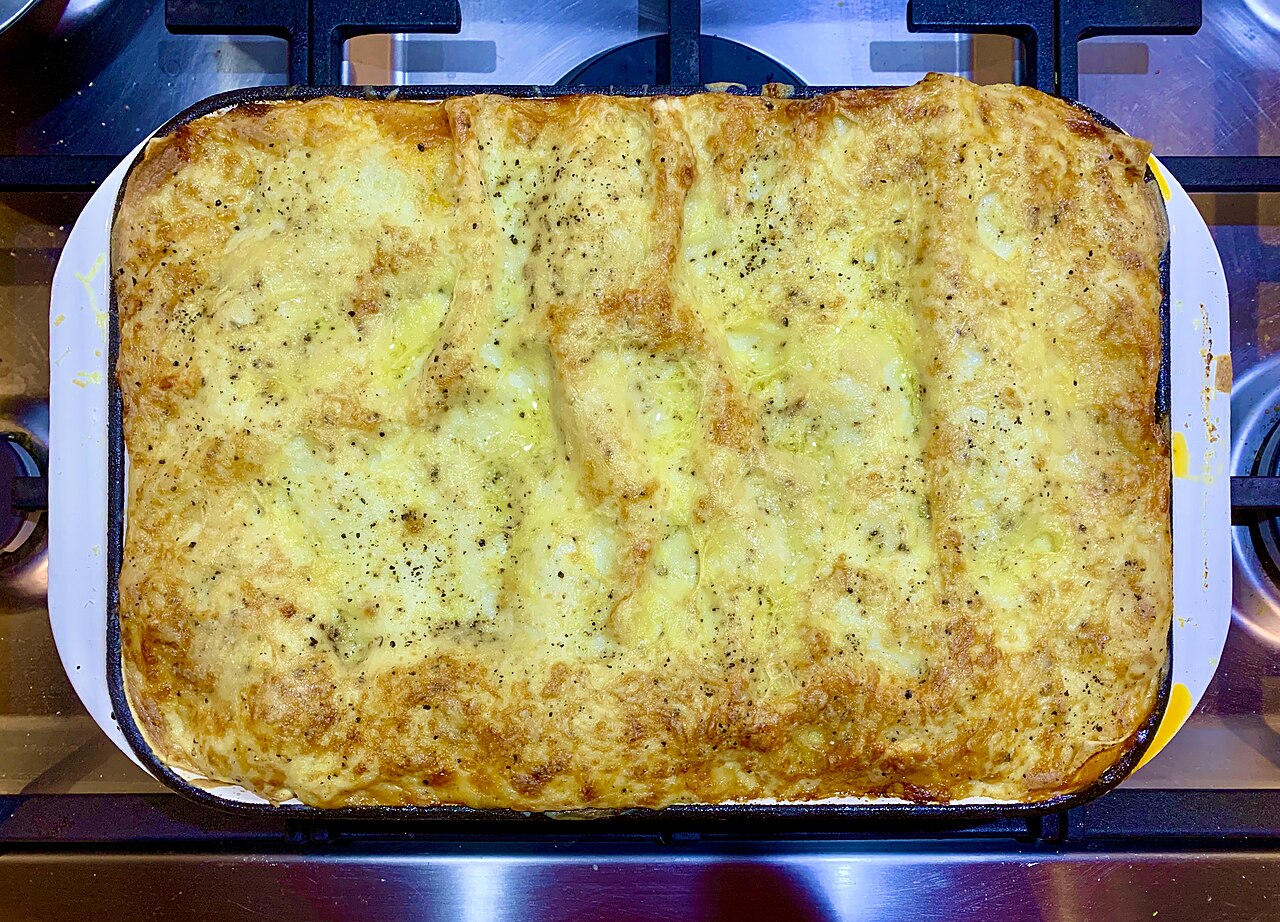
Restaurant-Style Lasagna with Bolognese and Béchamel
المقادير
Method
- Make the bolognese: sauté the onion and garlic, add the beef and let it brown, then stir in the tomatoes, tomato paste and seasonings, and simmer until thickened.
- Make the béchamel: melt the butter, stir in the flour, then gradually add the milk while whisking until it thickens, and season with salt and nutmeg.
- Grease a baking dish and spread a little bolognese over the bottom.
- Lay down a layer of lasagna sheets, then bolognese, béchamel and cheese, and repeat the layers.
- Finish with a layer of béchamel and a generous amount of cheese.
- Bake in an oven preheated to 180°C for about 35–40 minutes, until golden and cooked through. Let it rest before slicing.
ملاحظات
Letting the lasagna rest after baking makes it easier to slice.
It can be assembled ahead and kept in the fridge before baking.
Secrets to lasagna that holds together
It all starts with the bolognese. Let it simmer gently long enough for the water from the tomatoes to cook off and the sauce to coat the spoon; a watery sauce soaks the sheets and the dish collapses when you cut into it. For the béchamel, the trick is the roux: cook the flour in the butter for a full minute before adding the milk, then pour the milk in a little at a time while stirring constantly so no lumps form. Be generous with the sauce between each layer, and let the lasagna rest for about ten minutes after baking before you slice it so the portions stay neat.
Variations and swaps for what you have on hand
Without ground beef, a beef-and-poultry mix gives a lighter bolognese, or go meat-free with grilled aubergine and courgette and a layer of spinach instead. If mozzarella isn’t your thing, edam or gouda melt beautifully over the top. Béchamel is traditionally made with butter, but olive oil works for a lighter version. If you run out of dry lasagna sheets, thin flatbread can stand in for an improvised version, though the result is different from the original. Don’t skip the tomato paste: it adds colour and depth to the sauce.
How to serve lasagna and what to pair with it
Lasagna is a rich dish, so a light side balances it nicely. A green salad of lettuce and tomatoes with a drizzle of olive oil and lemon refreshes the palate between bites. A slice of toasted bread rubbed with garlic and butter rounds out the table and mops up the sauce left on the plate. When you’re hosting, serve it piping hot straight from the oven, still bubbling, with a little fresh parmesan and a few basil leaves if you have them. A glass of cold lemonade or sparkling water with a slice of lemon cuts through the richness and keeps the meal balanced.
Storing, reheating and making ahead
Lasagna is one of those dishes that tastes even better the next day, once the layers have soaked up their flavours. It keeps for three days in the fridge, well covered. To reheat, cover with foil and warm in a 160-degree oven until hot in the centre without the top drying out. You can also assemble it fully before baking and leave it in the fridge overnight, then bake it when you need it, adding about five minutes to the time. To freeze, cook it, cool it and cut it into portions before wrapping; it keeps for two months and reheats straight from frozen with a little patience.
Frequently asked questions
Do I need to boil the lasagna sheets first?
Some types need a quick blanch while others go in dry; follow the instructions on the box and be generous with the sauce.
How do I keep the lasagna from drying out?
Use plenty of sauce and cover the dish with foil at the start of baking, then uncover it to brown.
Can I make a vegetarian lasagna?
Yes, swap the meat for a mix of vegetables, or for spinach and cheese.
Why did my lasagna turn out watery in the dish?
Usually the bolognese didn't reduce enough or the tomatoes were too watery. Cook the sauce until it thickens, and let the dish rest after baking before cutting.
How many sheet layers make a balanced lasagna?
Three to four layers give a good balance between pasta and sauce. Any more makes the dish heavy and the taste of the sheets overpowers the filling.
Can I make it without béchamel?
Yes, replace it with a layer of ricotta or soft cheese mixed with an egg, which gives a creamy texture close to béchamel.
Photo: Wikimedia Commons — CC BY-SA