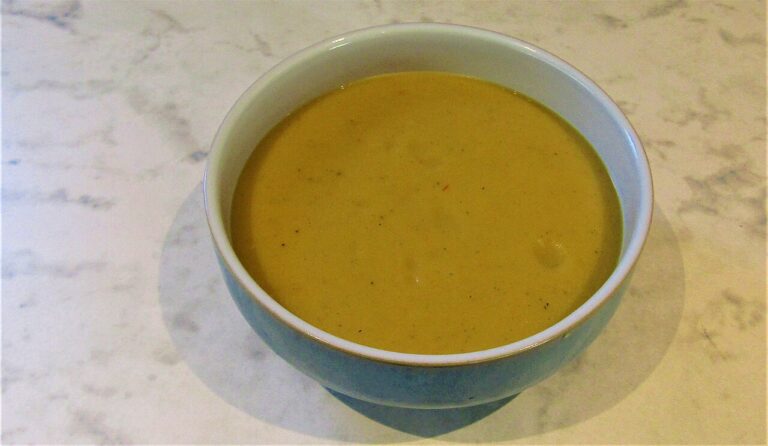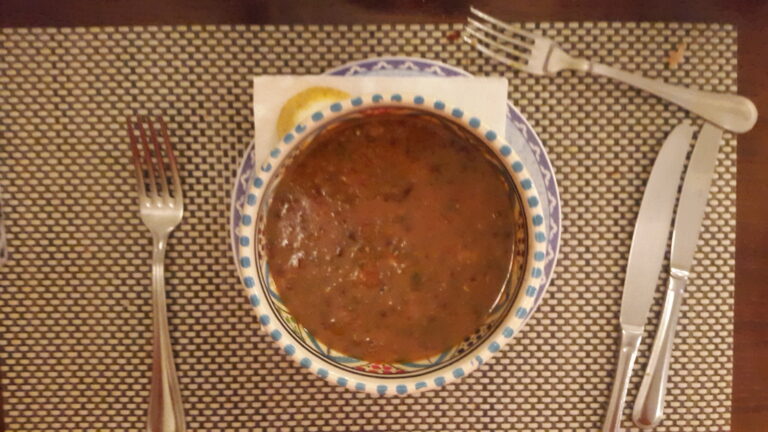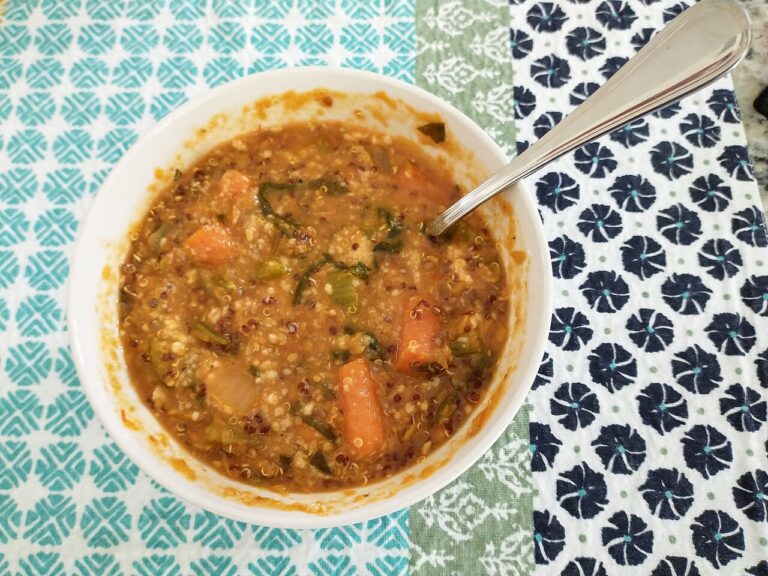
Moroccan Bissara with Dried Fava Beans and Olive Oil
Bissara is the ultimate Moroccan winter dish, especially on cold mornings. It’s simple and cheap, yet filling and comforting: just a generous drizzle of olive oil, a pinch of cumin and a touch of chili turn it into a full meal.
It all comes down to the dried fava beans, which are simmered until they fall apart completely, then mashed smooth. The longer the beans cook, the silkier the texture becomes. You eat it by dipping in Moroccan bread, and that’s all you really need.
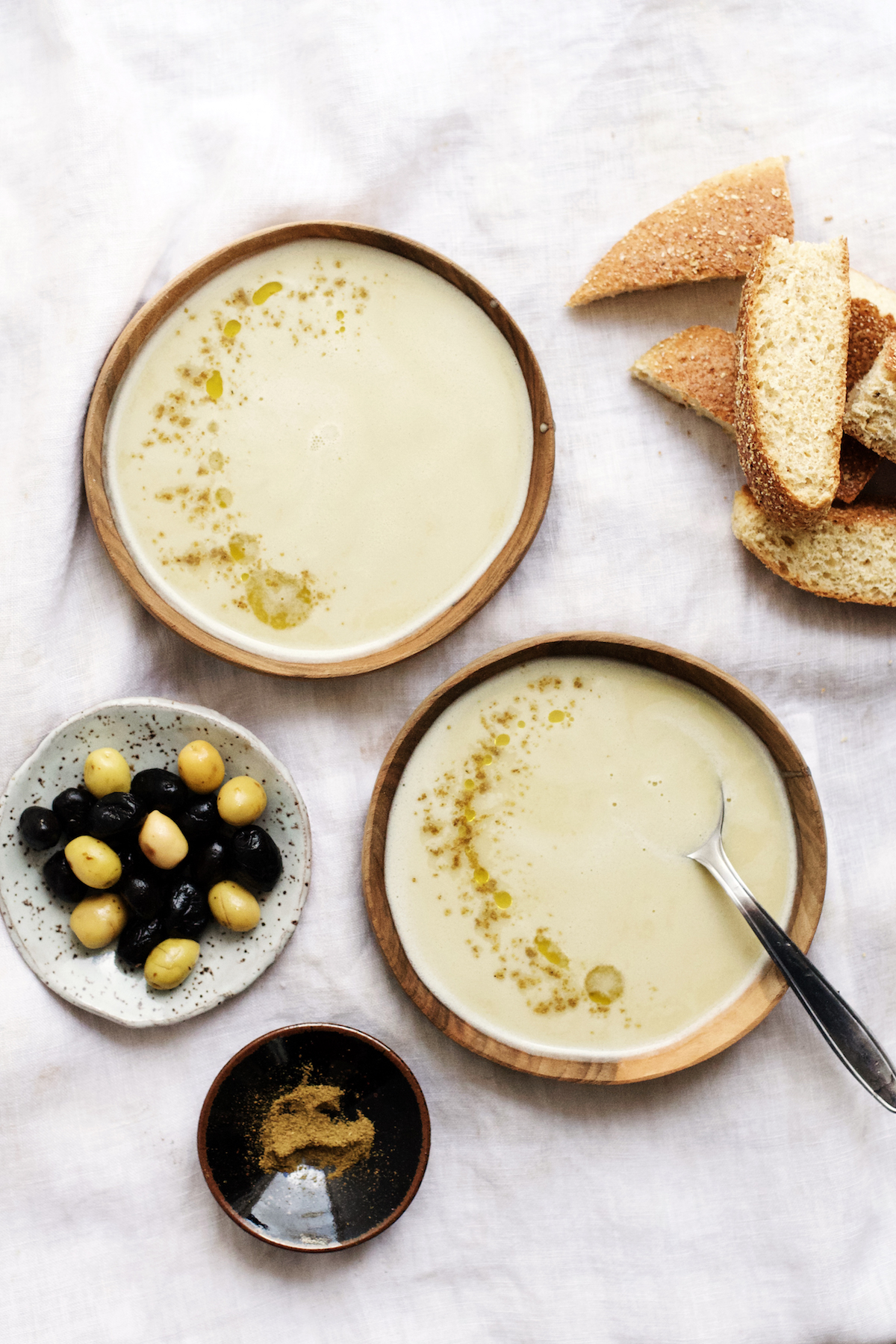
Moroccan Bissara with Dried Fava Beans and Olive Oil
المقادير
Method
- Drain the soaked fava beans and rinse them well.
- Put the beans and garlic in a pot, cover generously with water and bring to a boil over medium heat until they fall apart completely (about an hour).
- Add the cumin, paprika, salt and a little olive oil.
- Blend the beans thoroughly with a blender or potato masher until smooth and thick, adding hot water to reach the consistency you want.
- Let it simmer gently for a few minutes, stirring, until everything is well combined.
- Serve hot in bowls with a sprinkle of cumin and paprika, a drizzle of olive oil and bread.
ملاحظات
Adjust the water to the thickness you like; bissara firms up as it cools.
Good olive oil and cumin are the secret to its flavor.
The secret to a smooth, velvety bissara
It all starts with soaking the beans overnight. Without enough soaking they stay firm and take far longer to break down. Cook them over gentle heat rather than a hard boil; a violent boil pushes the foam up without actually cooking the centre of the bean. Be generous with the water while they simmer, since fava beans drink up a lot of it. Once they crush easily between your fingers, blend them while still hot with a little of their own cooking water, which is what gives that velvety texture. I always add the garlic right at the start so it dissolves into the beans and lends a depth you simply don’t get by stirring it in at the end.
Variations and what you can swap in
If you can’t find dried split fava beans, split peas give a very close result with a slightly lighter texture. Some households mix the favas with a handful of split peas to lighten the colour. Want a deeper flavour? Slip in a bay leaf while the beans simmer and lift it out before blending. Cumin and sweet paprika form the backbone, but a touch of ground ginger or a little dried coriander wakes the dish up on really cold days. For a tangy note, a few drops of lemon at serving time gently cut through the richness of the olive oil.
How to serve it at the table
Bissara is meant to be eaten piping hot; it loses its soul if it cools down in the bowl. Pour it out, draw a ring of extra-virgin olive oil over the top, then a pinch of cumin and paprika, and a little chilli for those who like some heat. Warm Moroccan bread is its natural partner: you tear off pieces and dip, no spoon needed. I serve it for breakfast on cold mornings or as a light supper, alongside a glass of mint tea, black olives or a preserved lemon. A single bowl fills you up and warms you through, without needing any heavy side.
Storing it and reheating the next day
Bissara keeps for two to three days in the fridge in a covered container. You’ll notice it sets and turns almost paste-like once cold, which is normal because of the starch in the beans. To reheat, put it in a saucepan over low heat with a splash of hot water and stir constantly until it loosens and goes smooth again. It also freezes well for about a month; thaw it in the fridge, then warm it the same way. My tip: cook and blend the beans ahead of time and keep them chilled, and the meal comes together in minutes the next morning.
Frequently asked questions
Can bissara be made with fresh fava beans?
The traditional version uses dried split fava beans, but there are also versions made with split peas.
Why does bissara thicken after it cools?
Because the starch in the beans sets when cold; just reheat it with a little water to make it creamy again.
What is bissara served with?
Hot, with olive oil, cumin, paprika and Moroccan bread for dipping.
How long do the beans take to cook?
After soaking overnight, expect about an hour over medium heat for them to fall apart completely. If they stay firm, keep cooking and add hot water.
Why did my bissara turn out too runny?
You added too much water after blending. Put it back on the heat and let it gently simmer for a few minutes to thicken, or blend in an extra handful of beans.
Can I make it in a pressure cooker?
Yes, a pressure cooker cuts the time to around twenty minutes once it comes up to pressure. Release it carefully, then blend the beans and finish with the spices as usual.
Photo: Wikimedia Commons — CC BY-SA