Spanish Seafood Paella with Saffron Rice
Paella is the pride of Spanish cooking, a sunny Mediterranean dish that brings rice, seafood and saffron together in one big pan. Its bright colours and briny flavour make it the dish for celebrations and gatherings, set in the middle of the table for everyone to dig in.
The secret to a proper paella is to leave the rice alone once the stock goes in, so that crisp golden layer (the socarrat) can form at the bottom, the part Spaniards love most. And saffron is a must, for both colour and flavour.
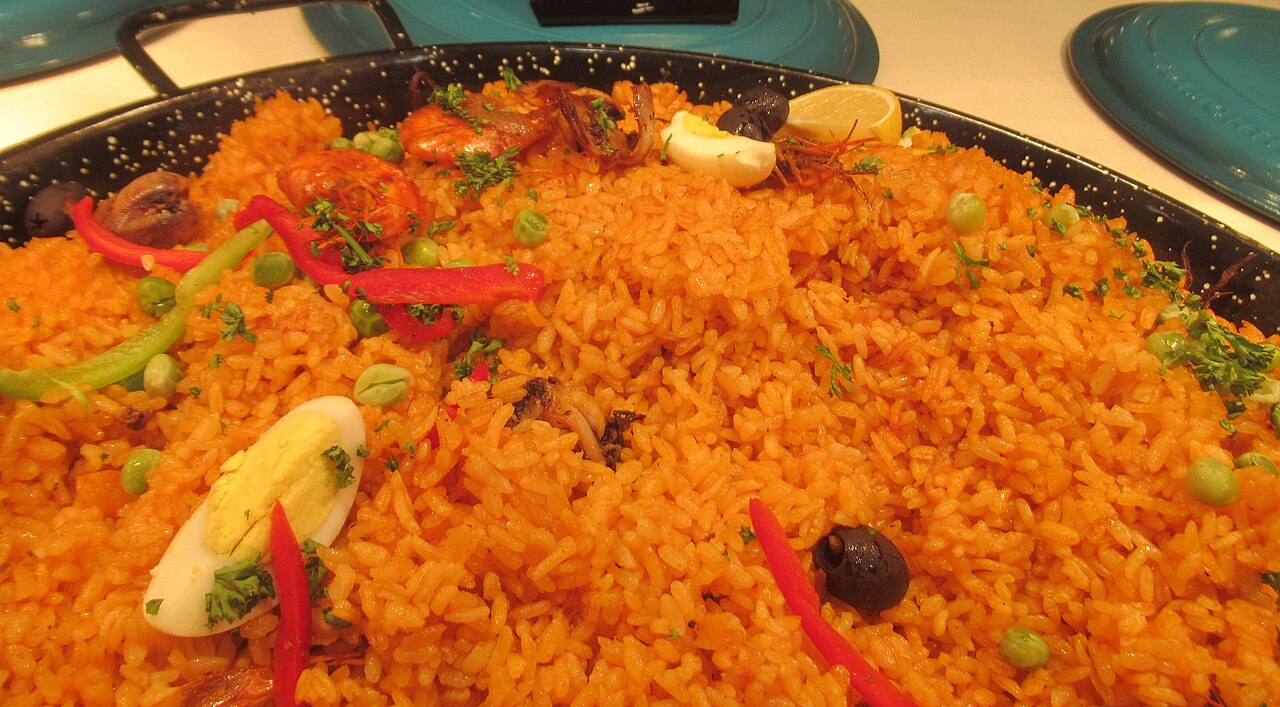
Spanish Seafood Paella with Saffron Rice
المقادير
Method
- Heat the olive oil in a wide pan, quickly sear the shrimp and squid, then set them aside.
- Sauté the onion, bell pepper and garlic, add the tomatoes and paprika, and let it cook down.
- Add the rice and stir for a minute so it takes on the flavour.
- Pour in the hot stock, the saffron and the salt, spread the rice out evenly, and don't stir it again from here on.
- Let it cook over medium heat until the stock is absorbed, then arrange the seafood and peas on top.
- Turn up the heat for the last minute to form the golden crust on the bottom, let it rest, then serve with lemon.
ملاحظات
Use a wide pan so the rice spreads out in a thin layer.
Hot stock and saffron are essential for the flavour and colour.
Secrets to a paella that works every time
The most important thing I’ve learned with paella is keeping the rice layer thin. Use a wide pan and spread the rice no more than two centimetres deep, so it cooks evenly and each grain stays separate. The stock has to be piping hot when you add it, because cold stock stops the cooking and turns the rice gummy. Don’t skimp on the saffron: steep it in a couple of spoonfuls of hot stock before adding it, to draw out its colour and aroma. And above all, once the rice is spread out, leave it alone and never stir it again. That’s the secret to the crisp socarrat at the bottom.
Variations and substitutions
If you don’t have the full range of seafood, prawns on their own or with mussels are plenty. Anyone who doesn’t care for squid can swap it for pieces of firm white fish, added near the end so they don’t fall apart. Bomba rice is ideal, but a plain short-grain rice will do in a pinch. Saffron is pricey, so you can stretch it with a touch of turmeric for colour while keeping a few threads for the real flavour. For a vegetarian version, replace the seafood with artichokes, green beans and roasted pepper, and use a well-seasoned vegetable stock.
How to serve it and what to serve alongside
Paella is brought to the table in its own pan, set in the middle for everyone to share, and that’s part of the fun. Arrange lemon wedges around the edge so each person can squeeze some over their portion; the acidity balances the richness of the seafood. At home we start with a simple green salad dressed in olive oil and vinegar, or a tomato and onion salad that freshens the palate. A loaf of rustic bread alongside is perfect for mopping up the toasted bottom. Some Spaniards scatter a little chopped parsley just before serving. Serve it right away, still warm: the flavour is at its peak straight off the heat.
Storing, reheating and making ahead
Paella is at its best the day you make it, but leftovers keep in an airtight container in the fridge for two days at most, especially since it contains seafood. To reheat, go for the pan over low heat with a splash of water or stock to bring moisture back to the rice, and cover it for a few minutes; the microwave makes prawns rubbery. You can prepare the base ahead of time, meaning the softened vegetables with the tomato and paprika, and hold it to finish cooking when you serve. The rice, though, is best cooked fresh. I wouldn’t freeze paella, since the texture of the rice and seafood changes once it thaws.
Frequently asked questions
Which rice should I use for paella?
A short or medium-grain rice that soaks up the stock without turning sticky, such as bomba rice.
What is socarrat?
It's the crisp, golden layer that forms at the bottom of the paella, considered one of the tastiest parts.
Can I make it with meat?
Yes, there's a chicken and rabbit version (Valencian paella) alongside the seafood one.
How much stock do I need per measure of rice?
The general rule is roughly twice the volume of the rice in hot stock, so about two measures of stock to one of rice, adjusted to suit the width of the pan and the strength of the heat.
Why did my paella turn out wet and sticky?
Usually because the rice was stirred during cooking, or because the layer was too thick. Spread the rice thinly and leave it undisturbed until the stock evaporates and the surface dries out.
Should I cover the paella while it cooks?
No, it cooks uncovered so the stock can evaporate and the toasted bottom can form. Only cover it after turning off the heat, while it rests for five minutes before serving.
Photo: Wikimedia Commons — CC BY-SA