Moroccan Chicken Rfissa with Lentils and Fenugreek
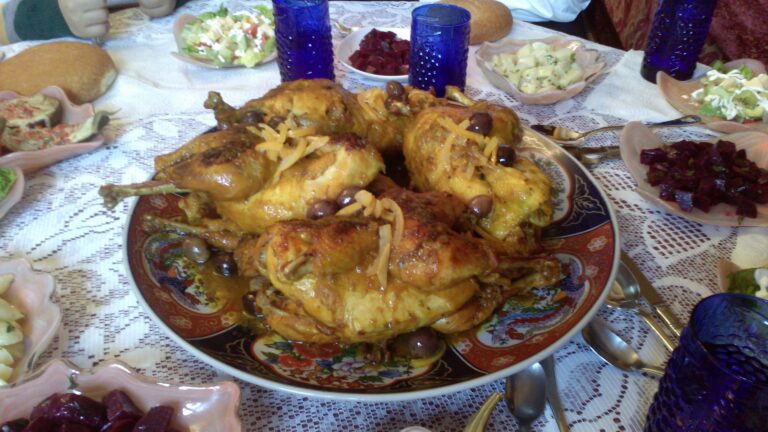
Rfissa holds a special place in Morocco. It’s traditionally made for new mothers, thanks to the well-known benefits of fenugreek, but it long ago outgrew that role to become a dish people love on any cold day. The pairing of ras el hanout and fenugreek gives it a warmth you won’t soon forget.
Everything starts with a rich chicken broth, gently simmered, and with msemen or trid that you shred, steam, then soak in the broth. Every bite brings together the softness of the dough and the depth of the spices.
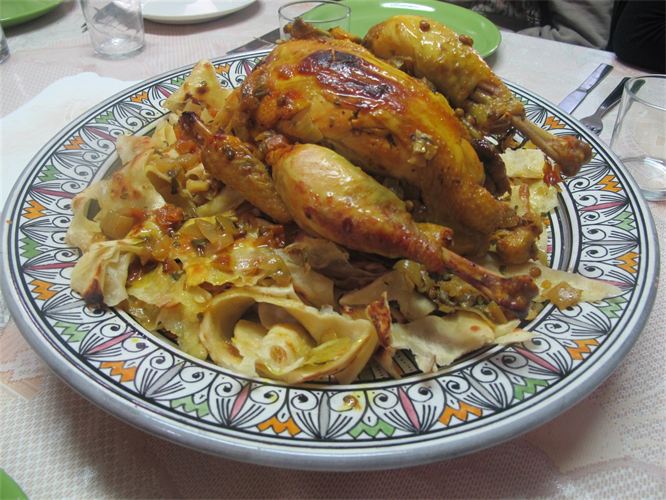
Moroccan Chicken Rfissa with Lentils and Fenugreek
المقادير
Method
- Soak the fenugreek in warm water, then blanch it briefly to soften its bitterness before draining.
- In a pot, sauté the onions in the oil, add the chicken, the spices (ras el hanout, ginger, turmeric, saffron) and the salt, then stir.
- Add the water, coriander, parsley and fenugreek, cover, and let the chicken simmer over low heat.
- After half an hour, add the lentils and let them cook with the chicken until the broth turns nice and rich.
- Steam the shredded msemen pieces over the pot or in a steamer until they soften.
- Arrange the msemen on the serving dish, pour over the hot broth, top with the chicken and lentils, and serve right away.
ملاحظات
You can use ready-made msemen or trid to save time.
Adjust the amount of broth so the dish stays moist without being drowned.
The secret to a good rfissa broth
The whole success of rfissa lives in the broth, and for it to turn out rich you shouldn’t rush the chicken. Let it take its time over a low flame with the onions until they melt into the liquid and give it an almost creamy body. As for the fenugreek, I have a rule I never break: I soak it, then blanch it briefly in a first water that I throw away, because that water carries the bitterness. Add the lentils a little after the chicken so they don’t fall apart, and dissolve the saffron threads in a spoonful of warm water before stirring them in, so they release their full colour and scent.
Variations and substitutions
Rfissa happily takes your own touch. For a deeper flavour, stir a little smen, the country’s aged butter, into the broth near the end of cooking; it brings a rustic warmth. Farm chicken can be swapped for ordinary chicken pieces, with the cooking time stretched slightly to get the same broth. As for the lentils, some households leave them out or add soaked chickpeas alongside. And msemen isn’t the only option: hand-shredded trid gives a lighter texture that drinks the broth quickly, while meloui will please anyone who loves flaky layers of dough. Ease off the ras el hanout if it tastes too strong for you.
How to serve rfissa
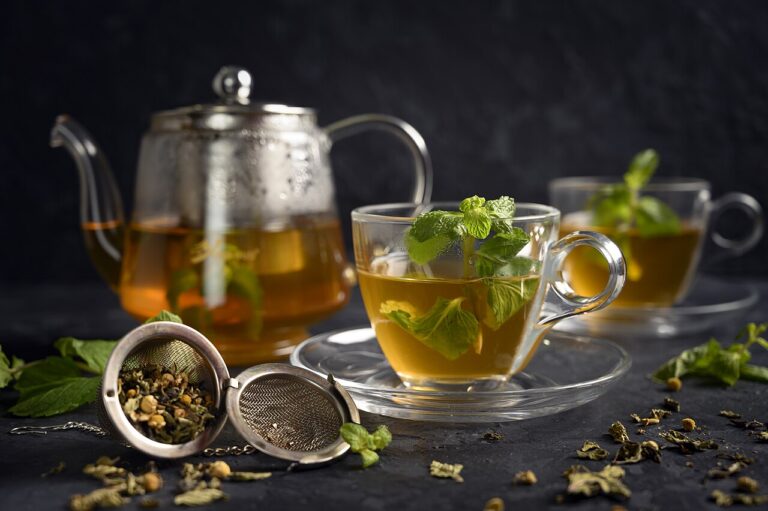
Rfissa is meant to be eaten piping hot, and that’s half the secret. Arrange the steamed msemen in the dish, ladle the broth over it in stages so it soaks up well, then crown it with the chicken pieces and lentils in the centre. A scattering of fresh coriander and parsley on top lifts the flavour. It’s usually presented in one large shared dish that everyone digs into by hand, with a glass of cold milk alongside or a mint tea to finish. If there’s extra broth, offer it in a small bowl so each person can add as much as they like.
Making ahead and storing
The broth is the part that improves with time: you can cook it the day before and keep it chilled, letting the spices mingle and the flavour deepen. Always store the broth separately from the dough, because msemen soaked too early turns far too soft. When you serve, reheat the broth over a low flame and steam fresh msemen at the last minute. The broth keeps two to three days in the fridge and freezes very well; the dough, on the other hand, is best made on the day you eat.
Frequently asked questions
Is fenugreek essential in rfissa?
It's one of the ingredients that define rfissa's flavour and its benefits, but you can reduce the amount for anyone who doesn't enjoy its mild bitterness.
What can replace msemen in rfissa?
You can use trid, meloui or even shredded Moroccan bread if needed.
Why is rfissa served to new mothers?
Because of the fenugreek it contains, traditionally prized for its benefits, and because it's a warm, nourishing dish.
Why did my rfissa broth turn out slightly bitter?
Usually it's the fenugreek. Soak it, blanch it quickly and throw out that first water before adding it, and use a little less next time.
How many msemen should I plan per person?
One to two medium msemen per person is a good guide, depending on appetite and how much broth you have.
Should I steam the msemen or is reheating enough?
Steaming is best because it keeps the dough soft before it drinks the broth; reheated in a pan, msemen dries out and soaks up poorly.
Photo: Wikimedia Commons — CC BY-SA